What Happens When You Quit Meat?
Transitioning to plant-based? Explore the timeline of lowered inflammation, better digestion, and heart health.
Quick Summary
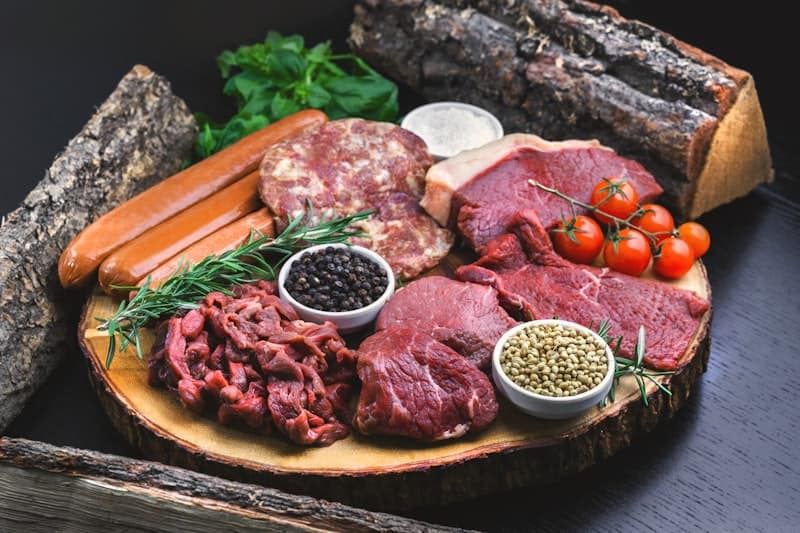
Reducing or quitting meat (especially red and processed meats) is a powerful way to lower systemic inflammation and cholesterol. By replacing meat with plant proteins (beans, lentils, tofu), you naturally increase your fiber intake, which revolutionizes your gut health. While the transition requires mindfulness about B12 and Iron, the payoff is often a 'lighter' feeling body, consistent energy, and significantly reduced long-term disease risk.
Recovery Timeline
The 'Lighter' Feeling
Plant meals digest faster than heavy meats. You might feel less weighed down after eating.
Digestive Adjustment
Your gut microbiome begins to change to handle the increased fiber. You might experience temporary gas as 'good' bacteria proliferate.
Improved Lipids
Without dietary cholesterol from meat, blood choloesterol levels effectively drop. Skin often looks brighter due to more antioxidants from plants.
Inflammation Drop
Markers of inflammation (like CRP) decrease, often easing joint pain and improving recovery times.
The 'Lighter' Feeling
Plant meals digest faster than heavy meats. You might feel less weighed down after eating.
Physical Effects
Lower Inflammation
Animal fats, especially from processed meat, are pro-inflammatory. Plants are anti-inflammatory.
Better Gut Health
Fiber feeds your gut bacteria; meat has zero fiber.
Psychological & Behavioral Effects
Cognitive Alignment
Many report a sense of peace aligning their diet with their values regarding animal welfare or environment.
Key Benefits
- Reduced heart disease risk
- Easier weight management
- Lower grocery bill (beans are cheap)
- Reduced environmental footprint
Potential Withdrawal Symptoms
- Must supplement Vitamin B12
- Social friction at BBQs/restaurants
- Learning curve for cooking
Frequently Asked Questions
Related Habits

Medical Disclaimer
The content on this website is for informational purposes only and does not constitute medical advice. Always consult with a healthcare professional before making significant changes to your lifestyle or diet.